
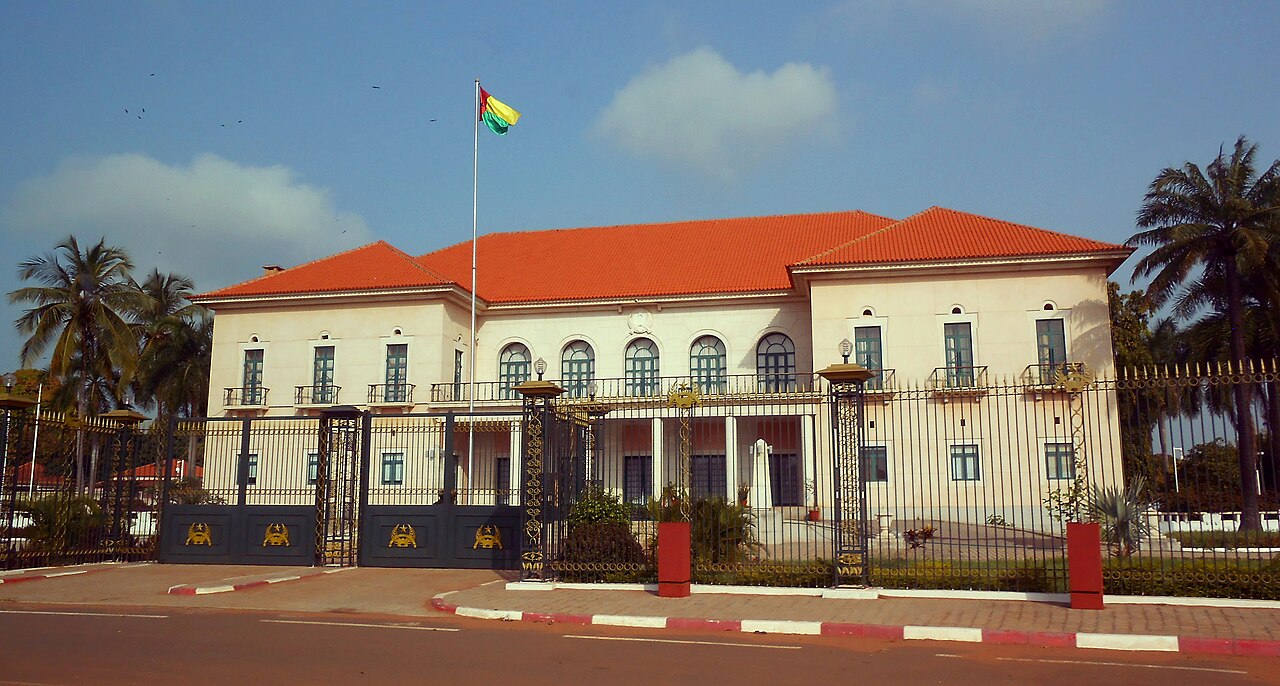

Guinea-Bissau Frontier
Africa · Bissau · XOF (West African CFA Franc)
Economy & industry overview
Guinea-Bissau is one of the world's least developed economies, heavily dependent on agriculture and fishing. Cashew nuts are the dominant export commodity, accounting for the vast majority of export earnings, with India and Belgium being primary buyers. The economy also relies on fisheries, light food processing, and a growing services sector, while remittances represent a significant share of GDP. Real GDP growth reached approximately 4.1% in 2024, supported by the service sector and higher farmgate prices for cashews. The country is a member of the West African Economic and Monetary Union (WAEMU) and uses the CFA franc, which is pegged to the euro, providing monetary stability despite significant structural and governance challenges.
Key sectors
Learn everything about Guinea-Bissau →Macro
| GDP nominal, USD | $2.12B |
| GDP growth real, annual | 4.1% |
| Inflation annual | 3.8% |
| Population people | 2.1M |
| GDP per capita USD | $1,130 |
| Market cap total listed, USD | $0 |
| Market cap / GDP | 0.0% |
| Unemployment | 2.7% |
| Exchange | Bourse Régionale des Valeurs Mobilières (BRVM), regional exchange; no domestic Guinea-Bissau exchange exists (BRVM) |
Primary data year: 2024. Sources: World Bank World Development Indicators 2024, IMF World Economic Outlook April 2026, African Development Bank Guinea-Bissau Economic Outlook 2026, FocusEconomics Guinea-Bissau GDP 2024, Wikipedia – Economy of Guinea-Bissau, BRVM – Bourse Régionale des Valeurs Mobilières (brvm.org), TheGlobalEconomy.com – Guinea-Bissau Inflation, CIA World Factbook – Guinea-Bissau Demographics 2024, Worldometer – Guinea-Bissau GDP 2026. Individual figures may cover different reference periods — for example a fiscal year, or an estimate for the current year — and the overview above states these where known.
Figures carried over — the latest scheduled refresh could not update this record.
Latest news
Links open the publisher's website in a new tab.
 South Africa
 Morocco
 Nigeria
 Botswana
 Burkina Faso
 Mali
Mali Kenya
Kenya Côte d'Ivoire
 Mauritius
 Tanzania
 Tunisia
 Ghana
Ghana Senegal
 Benin
Benin Niger
Niger Togo
TogoLargest listed companies
The biggest companies on the main local exchange, by market capitalisation. Where a foreign company holds a secondary listing here, it is shown after the domestic companies.
No companies are listed domestically in Guinea-Bissau. Markets served by a regional exchange list their companies under that exchange rather than a national one, so the funds below are the practical route to this market.
Exchange serving this market: Bourse Régionale des Valeurs Mobilières (BRVM), regional exchange; no domestic Guinea-Bissau exchange exists (BRVM)
US-traded ETFs
Funds listed in the US that give exposure to this market, the simplest route for many US investors.
Local exchange & access
| Exchange | Bourse Régionale des Valeurs Mobilières (BRVM), regional exchange; no domestic Guinea-Bissau exchange exists |
| Code | BRVM |
| Website | www.brvm.org |
| Currency | XOF |
Local broker access
Guinea-Bissau has no domestic stock exchange. As a WAEMU member state, Bissau-Guinean entities may in principle access the regional BRVM exchange headquartered in Abidjan, Côte d'Ivoire, but no Guinea-Bissau–domiciled company is listed on the BRVM as of 2026. Foreign investors seeking equity exposure to the BRVM region must engage a licensed brokerage firm (Société de Gestion et d'Intermédiation, SGI) registered with the BRVM/CREPMF; no SGI is based in Guinea-Bissau itself. International retail access to BRVM securities is very limited, and direct investment in Guinea-Bissau's private sector typically occurs through private equity, development finance institutions, or direct foreign direct investment channels.
Global brokers with foreign-market access
- Interactive Brokers — Direct access to 90+ markets worldwide, including many emerging exchanges.
- Saxo Bank — Multi-market access across Asia, Europe and the Middle East.
- Charles Schwab (Global) — Foreign ordinary shares on select markets; US-listed ADRs and ETFs.
- Fidelity International Trading — International stock trading on a number of developed and emerging markets.
Listed for convenience only. Not a recommendation. Available markets, fees and onboarding rules differ by broker and by your country of residence.
Relocation & residency
Investment visa / residency programme
Grants No formal investment-migration programme
Guinea-Bissau does not operate a formal golden visa or citizenship/residency-by-investment programme as of 2026. Standard visa categories include tourist and business visas; long-term residency is governed by general immigration law administered by the Serviço de Estrangeiros e Fronteiras. No legislative framework for investment-linked residency or citizenship has been enacted.
Need help applying? Specialist investment-migration advisers such as Henley & Partners.
Foreign-investor access
Guinea-Bissau requires a visa for most nationalities, obtainable through embassies in Dakar (Senegal) or Lisbon (Portugal); processing typically takes 3–5 business days. Business visas require an invitation letter from the Guinea-Bissau Investment Promotion Agency. No e-visa system is operational as of mid-2026. Infrastructure is very limited, only approximately 40% of the population has access to electricity, and official expatriate support services are minimal. Portuguese is the official language; Crioulo (Guinea-Bissau Creole) is the lingua franca.